BAM will compare additive manufacturing with conventional alternatives against the application, quantity and required performance.
01Polymer manufacturing concept
Polymer tooling
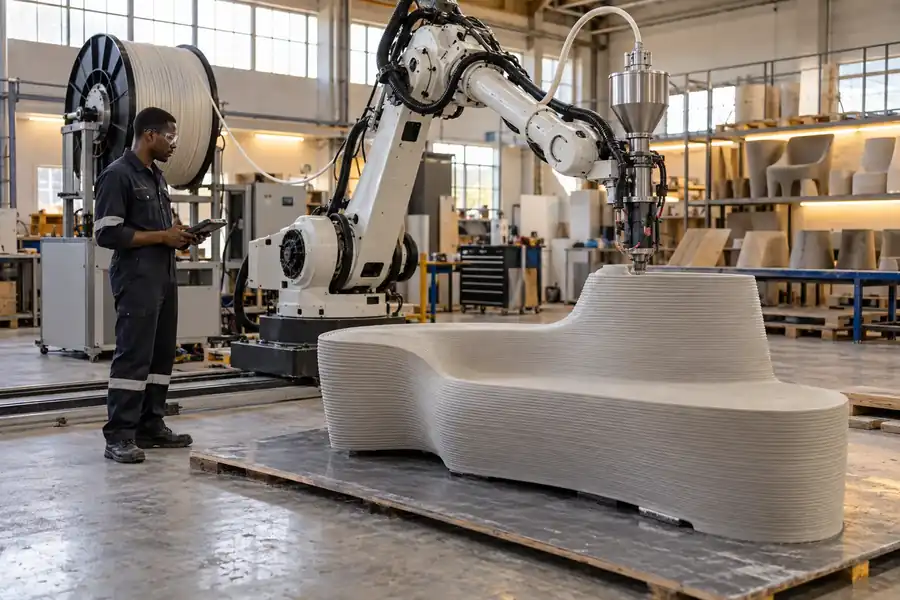
Our proposed pilot would investigate large-format polymer printing for reusable mould tooling. Equipment access, casting compatibility, finish, release behaviour and tool life need testing.
A printed mould is not automatically cheaper, faster or suitable for reuse.
02Component application concept
Conventional alternatives
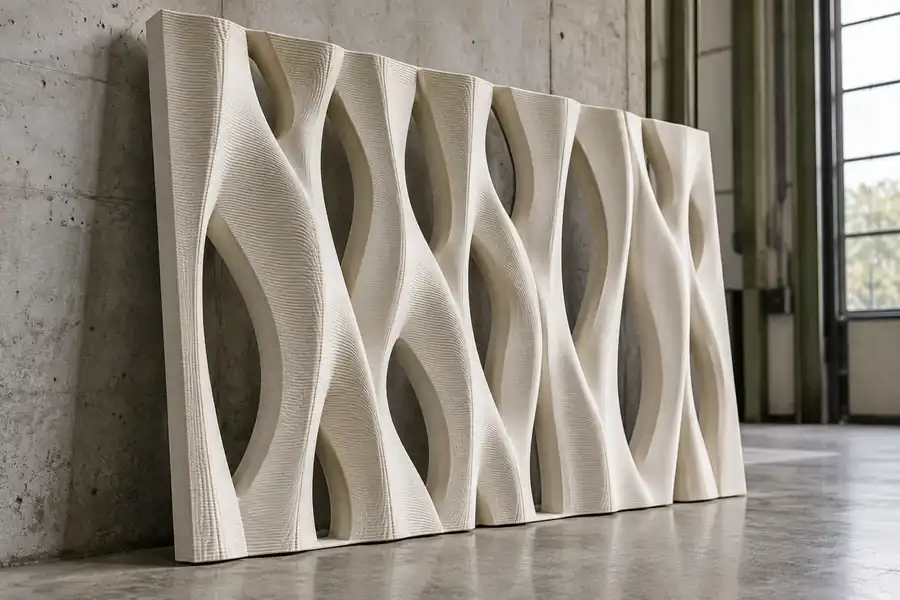
CNC machining, fabricated tooling and established mould-making routes form the comparison. The pilot should record where an existing method is the better choice.
Compare the complete design-to-casting workflow, including finishing and rejects.
03Construction application concept
Construction research
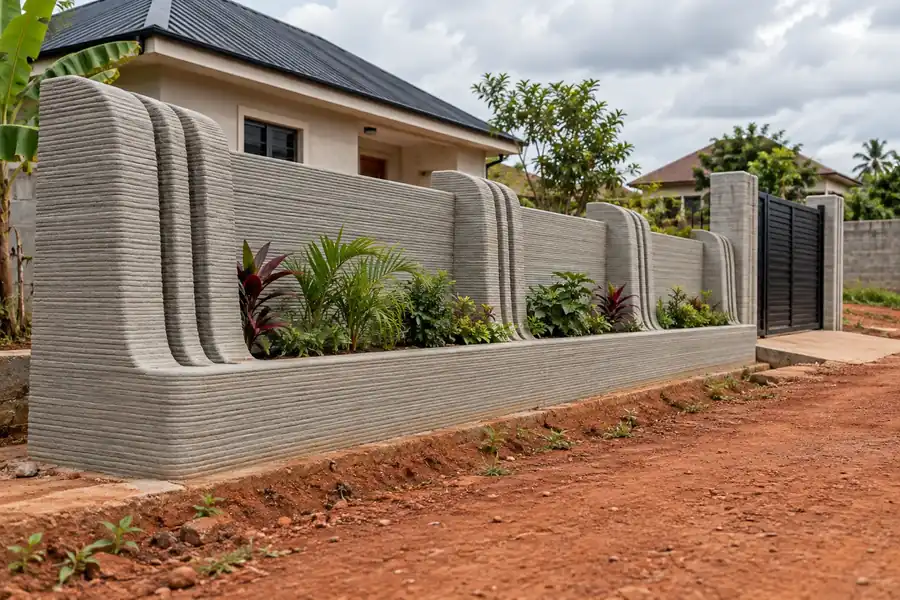
Concrete printing is a separate process and a longer-term research area. Structural use requires appropriate engineering, material qualification, testing and a project-specific approval route.
Printing walls does not establish delivery of a complete compliant home.
A REPEATABLE TEST
Specify. Test. Compare.
Agree customer requirements and measurable acceptance criteria.
Select an appropriate process, partner and trial material.
Prepare tooling, representative samples and test records.
Measure quality, tool life, cost and lead time.
Compare conventional alternatives and document limitations.
Decide whether further development is justified.
EXTERNAL RESEARCH / CHECKED 13 OCTOBER 2026
Evidence has a source.
NIST identifies continuing testing and durability challenges for additively constructed structures. HUD’s field research examines integration of printed walls with conventional building components. These references inform our caution; they are not evidence of BAM performance or Nigerian approval.
Independent test results, supplier quotations and applicable Nigerian requirements will be needed for the actual pilot. No supplier affiliation is implied.